
HARVARD AAPI ALUMNI Running for congress
We’re excited to highlight two Harvard AAPI alumni running for Congress this fall in hopes of sparking a broader conversation about how our communities can build a stronger voice in the American political process. Their journeys offer meaningful examples for many in our network, including those who may be quietly wondering whether public service could be part of their own path. We asked each candidate questions relating to their personal experiences as well as their advice for AAPI communities.
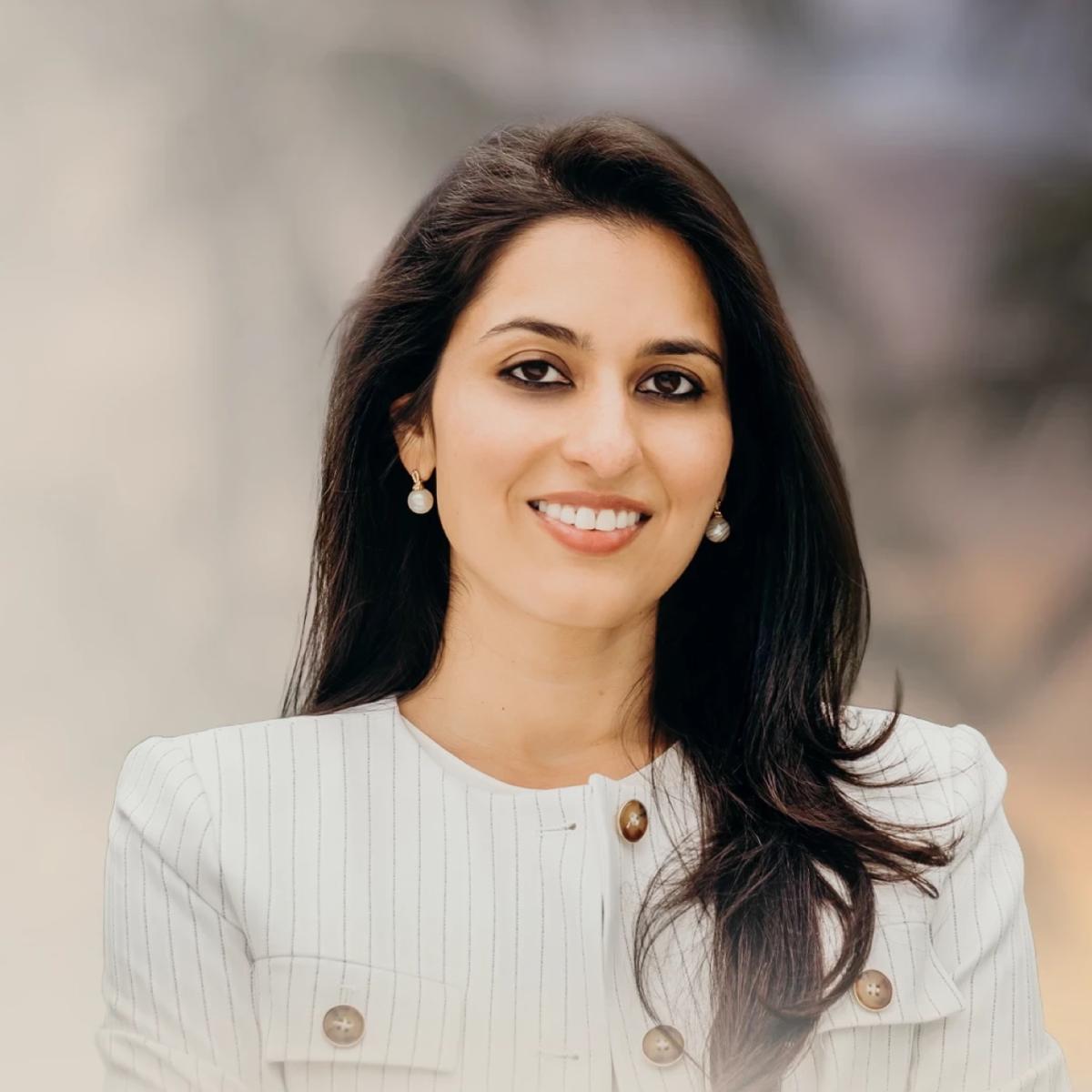
Learn more about Pia's platform here.
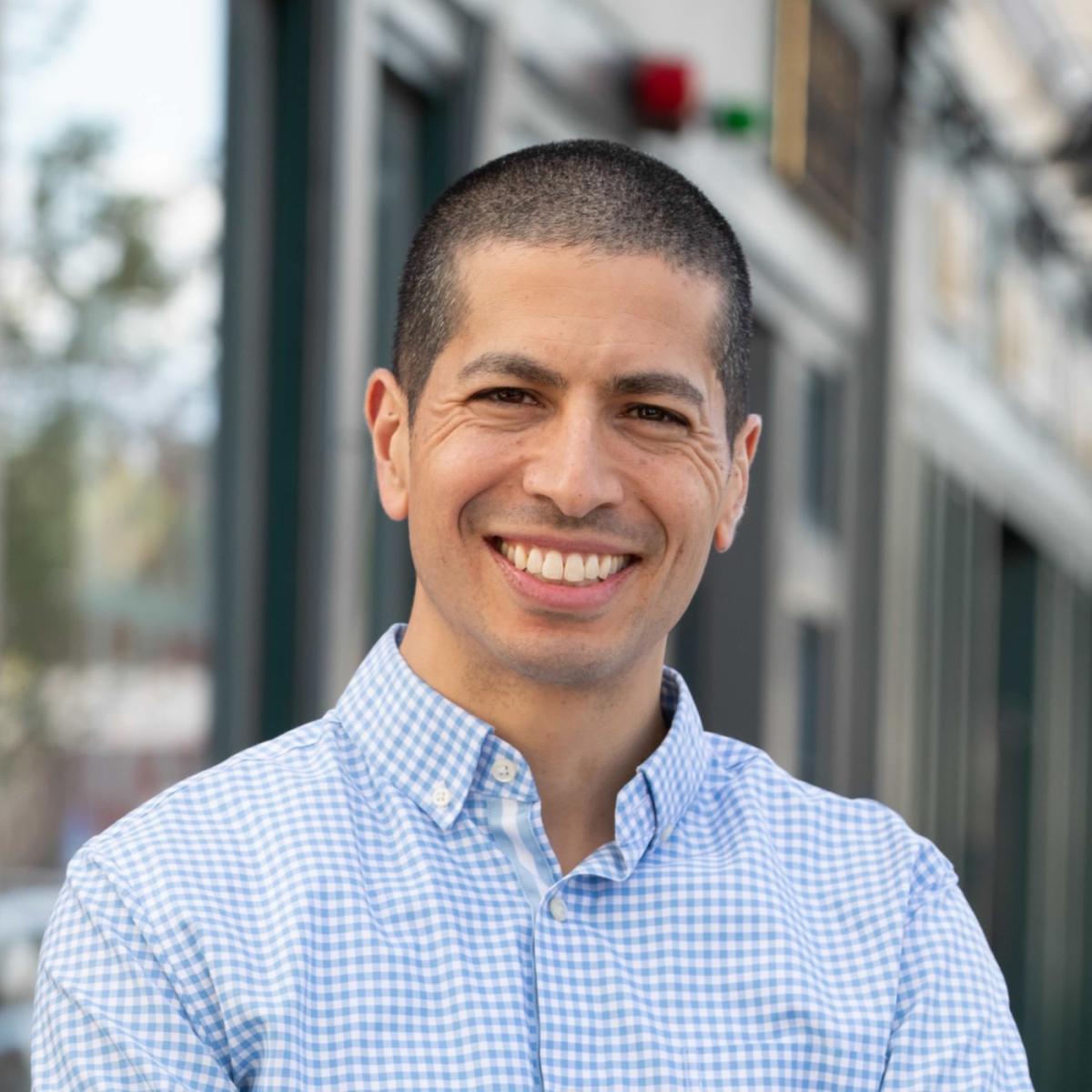
Learn more about Dan's platform here.
How has the presence or absence of Asian-Americans in politics influenced you and/or your decision to run for office?
Dandiya: Asian Americans have helped write some of this country’s most remarkable immigration stories, becoming leaders in academia, science, and business. Yet our political representation has not kept pace. At the start of the current Congress, Asian Americans held just 4% of House seats, compared with 6% of the U.S. population, according to Pew Research Center. I’m passionate about helping close that gap—to bring our community’s experiences into the conversation and to be a voice for everyone I represent.
Koh: Growing up, I didn’t see many Asian Americans in positions of political leadership. Today, I’m encouraged by how far we’ve come, from leaders like Senator Andy Kim, whose endorsement I’m proud to have, to the many AAPI leaders serving in state and local government across the country. Asian-American representation in politics is about making sure families like mine see themselves reflected in our democracy, know their voices matter, and understand that public service is open to them, too. We need to keep supporting and uplifting AAPI leaders at every level of government and building a political system where people from every background have a seat at the table.
How has your cultural heritage and lived experience as an AAPI individual shaped your approach to politics and public service?
Dandiya: I was born and raised in Florida to parents originally from India. Growing up, I visited India often, and those trips gave me my first understanding that living in a democracy does not mean everyone has the same opportunities. They also deepened my appreciation for what this country had made possible for my family.
Out of gratitude, I knew I wanted to commit my life to service—to pay forward the American dream we had lived. That conviction led me to teach in high-poverty schools after college, become a high school principal. 86% of my students lived below the poverty line in Harlem and we got 100% of them to earn admission to college. Across every chapter of my career, my mission has been the same: to make the American dream my family lived more within reach for others. That is why I’m running for Congress today.
Koh: More than 70 years ago, my family came to this country from Korea and Lebanon, chasing the same promise so many immigrant families have: the chance to build a good life and give their kids more than they had. That’s where my approach to public service begins, with how I can best help the people I serve get ahead. I've been lucky to work for leaders who shared that same mindset, from Senator Ted Kennedy and Boston Mayor Marty Walsh to President Biden. Each of them viewed their positions as a responsibility to the people they served. That's the standard I hold myself to.
What would it take for AAPI communities to have a stronger voice in American politics?
Dandiya: We need to participate at every level: voting, advocating, running for office, and supporting candidates from our community who share our values. We also need to build relationships across communities and stay involved between elections, when so many decisions that affect our lives are made.
We have helped shape this country through education, science, business, and service. Building a stronger political voice is the next chapter of that legacy, and I’m fired up to do this work together.
Koh: A stronger voice for AAPI communities starts with building on the progress we’ve made and ensuring that representation continues to grow at every level of government. We need more AAPI people running for office, but we also need to build the infrastructure and support systems that help them get there and succeed. That means investing in AAPI civic organizations, encouraging young people to get involved early, and building stronger networks among people working in government, on campaigns, in advocacy, and in our communities. We need to make sure the next generation of AAPI leaders has the resources, mentorship, and opportunities to step up and lead. Our democracy is strongest when the people making decisions reflect the communities they serve. Different backgrounds bring different experiences and perspectives to the table, and that diversity is one of our country’s greatest strengths.
What role can alumni networks like the Harvard Asian American Alumni Alliance play?
Dandiya: Alumni networks like this one can be very powerful to turn shared values into collective action. You can spread the word, donate, phone bank, or introduce a campaign to people who might otherwise never hear about it.
This teacher has some homework for you! Share campaigns you support with three people in your life who might want to support AAPI candidates like the ones you are reading about here. A personal introduction from someone you trust can do more than a hundred campaign emails. You don’t have to live in South Florida to help shape what happens here - or across the country. You have immense power wherever you are to spread the word and fight for what you believe in. Let's do it together!
Koh: Alumni networks like the Harvard Asian American Alumni Alliance can play a really important role in building a pipeline into public service by supporting and elevating AAPI voices and creating opportunities for mentorship and connection. There are so many talented AAPI alumni across all fields, and bringing those people together can help the next generation find their footing and see a path into spaces that may be unfamiliar to them. Having mentors you can lean on, learn from, and turn to for guidance makes a real difference, especially when you’re navigating new environments or figuring out how to get involved. These networks can connect people with different experiences, open doors, and help ensure that more AAPI leaders have the support and resources they need to succeed.
What experiences or learnings from your time at Harvard do you still draw on today?
Dandiya: Harvard changed my life. My classmates expanded my sense of what was possible, and the campus itself encouraged me to think bigger about what I could contribute.
There's a gate on campus, Dexter Gate, that says, “Enter to grow in wisdom.” As you leave, it says, “Depart to serve better thy country and thy kind.” That has really been the spirit of my career.
I left Harvard believing that the systems we most urgently need to improve deserve our best talent, our highest expectations, and our hardest work. And I'm grateful for the lessons I learned on campus. I feel a deep gratitude to my classmates and to Harvard for strengthening both my sense of duty and my commitment to excellence.
Koh: One of the most valuable things I took away from my time at Harvard was the importance of community and learning from the people around you. I was surrounded by classmates with different backgrounds, experiences, and perspectives, who challenged me to think differently about government, public policy, and how we can make our institutions work better. That experience reinforced the importance of listening, staying curious, and always looking for ways to grow, both personally and professionally. It also taught me that growth doesn’t happen in isolation. Mentorship, collaboration, and a willingness to learn from others are essential, and we all have a responsibility to help the people around us succeed, too. Those are lessons I continue to carry with me in public service.
What advice (strategic and/or tactical) would you give other AAPI Harvard alumni considering running for public office?
Dandiya: Start by getting involved in your local community. Let's break out of our screens and into people's real lives! Know what the work actually involves, and get your hands dirty. Build relationships beyond your own circles. Listen to people whose lives look different from yours, and understand where our institutions are helping them - and where they are falling short.
Teaching and running a school changed my worldview. They gave me a clear understanding of what was working, what wasn’t, and what it takes to expand opportunity for people starting with less. They also convinced me that, across our differences, we want many of the same things: stability for my generation, safety and dignity for my parents’ generation, and a world of opportunity for my son’s generation. That is the heartbeat of my campaign today.
And tactically speaking - volunteer on a campaign and learn how to organize, raise money, and ask people for their support. But begin with the service itself. Go out, do the work, learn your own lessons - and let that experience guide what comes next.
Koh: My advice is simple: don’t be afraid to take the leap. When you see something wrong, don’t feel like there is nothing you can do, or that it is out of your hands. Public service is an opportunity to step up, stand up for working people, and make sure government works for those it represents, across all levels. For me right now, that means defending our democratic institutions and holding the Trump administration accountable as it tests the guardrails of our democracy, while also addressing the everyday challenges families face, from rising costs for groceries and gas to housing and healthcare. I’d also encourage AAPI alumni to bring their own experiences and perspectives to public service. You don’t need to fit a particular mold to lead, and you don’t have to have all the answers before you get started. We need more AAPI voices in the rooms where decisions are made, and the next generation of leaders will be stronger for it.